Ask any tico how to make real Costa Rican drip coffee and they won't point you to a machine. The authentic method is older, simpler, and far more delicious: a wooden stand called a chorreador and a cloth sock filter called a bolsita. It's a slow pour-over that pulls a fuller, rounder, richer cup out of the bean than any drip machine ever will. As Jaco Beach Chef, I brew it fresh every morning I cook for a group, and it's genuinely easy to make at home. Here's the complete guide, straight from the villa kitchen at www.jacobeachchef.com.
Why Costa Rican coffee is special
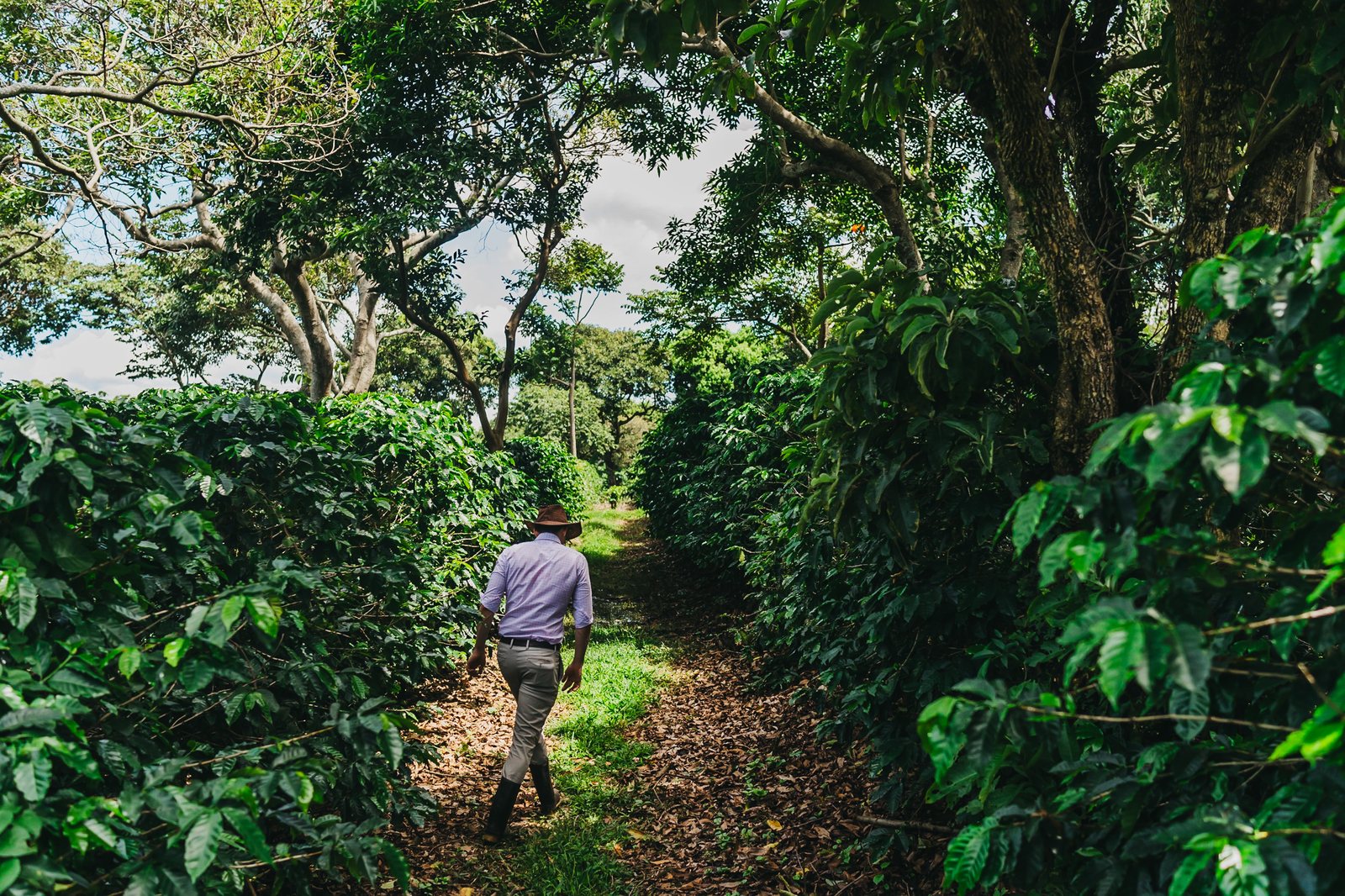
Costa Rica grows some of the best arabica coffee in the world. The beans ripen slowly in cool, mineral-rich volcanic soil at high altitude — regions like Tarrazú, the Central Valley, and Poás are famous for it — which gives the coffee a clean, bright, naturally sweet flavor with almost no bitterness. Costa Rica is so serious about quality that by law only high-grade arabica may be grown here. Start with fresh, locally roasted beans and you're already halfway to a perfect cup.
The traditional setup: the chorreador
The chorreador is a beautifully simple tool — a wooden frame that holds the cloth filter suspended over your mug or a pitcher. It has two parts:
- The stand. A wooden frame that holds the filter above your cup, so gravity does all the work.
- The filter — the bolsita. A reusable cotton cloth sock (also called a media) that hangs from the frame. Unlike a paper filter, the cloth lets the coffee's aromatic oils pass through instead of trapping them — that's the secret to the fuller body and rounder taste.
No chorreador at home? No problem. You can hang the cloth sock over any cup or pot, and the method works exactly the same.
What you'll need
Freshly ground Costa Rican coffee (a medium-coarse grind), your chorreador and clean bolsita, and just-off-the-boil water. Use about one heaping tablespoon of coffee per cup, a little more if you like it strong.
How to brew it, step by step
1. Rinse the cloth. Pour a little hot water through the empty bolsita first so your coffee never tastes of the cloth, and set your mug or pot underneath.
2. Add the coffee. Spoon the grounds into the sock — one heaping tablespoon per cup.
3. Get the water right. Bring it to a boil, then let it rest about thirty seconds. You want it hot but not violently boiling — around 195°F is ideal.
4. Let it bloom. Pour just enough water to wet the grounds and wait thirty seconds. You'll see them swell and bubble as the coffee releases its aroma and carbon dioxide. This little step makes a big difference in flavor.
5. Pour slow. Add the rest of the water in a gentle, circular motion, letting it drip all the way through before you pour more. The whole thing takes three or four minutes. That slow drip is what pulls out all the sweetness and none of the bitterness.
How the ticos drink it
Costa Ricans usually take their coffee black or with a splash of hot milk — café con leche — and a little sugar. It's the heart of every Costa Rican morning, poured alongside a traditional breakfast of gallo pinto and eggs, sweet fried plantains, and fresh tropical fruit. If you want the full experience, that's the plate to pair it with.
Let me brew it for you in Jacó
When I cook for your group in your rental, this fresh chorreador coffee comes with every breakfast menu — no measuring, no cleanup, just a hot cup waiting for you by the pool. Serving authentic Costa Rican food and coffee right where you're staying is one of my favorite parts of the job, and it costs less than you'd think. Traveling with a big group for a bachelor party, wedding, or family trip? A private chef in Jaco makes every morning effortless.
Ready to plan your trip? Message me on WhatsApp or visit www.jacobeachchef.com and I'll take care of the food, the coffee, and everything in between.