For a lot of Americans, the idea of moving to Costa Rica starts as a daydream — less stress, better weather, a slower pace, more time outside. And then one day, it starts feeling like something that might actually be possible. I've been living on the Central Pacific coast of Costa Rica for over 16 years, running a private chef business at www.jacobeachchef.com and selling some of the finest real estate near Jacó Beach and Punta Leona. In that time I've watched hundreds of Americans go through exactly this process — from curious to seriously considering to finally making the move. Here's what I've learned about why so many of them end up choosing this coast.
Why Americans are leaving the US for Costa Rica
The motivations are different for everyone, but the themes are consistent. Some people are retiring early and want to stretch their savings. Some are burned out from demanding careers and want a complete reset. Some have remote jobs and realized they can work from anywhere — so why not somewhere with year-round warmth, fresh food, and the Pacific Ocean nearby? And some have just reached a point where they're ready to rebuild their life differently, somewhere that doesn't feel quite so relentlessly fast.
Costa Rica keeps showing up on their shortlists for good reasons:
- A stable democracy that has existed without a military since 1948
- Quality private healthcare at a fraction of US prices
- Year-round tropical beauty — jungle, wildlife, beaches, rivers
- Welcoming local communities and established expat networks
- Modern infrastructure in most developed areas
- Close enough to the US to fly home in a few hours if needed
- A legal framework that genuinely protects foreign property owners
What makes Costa Rica different from other "move abroad" destinations is that it doesn't ask you to give everything up. You can maintain your connections, your bank accounts, your lifestyle preferences — while living somewhere completely different.
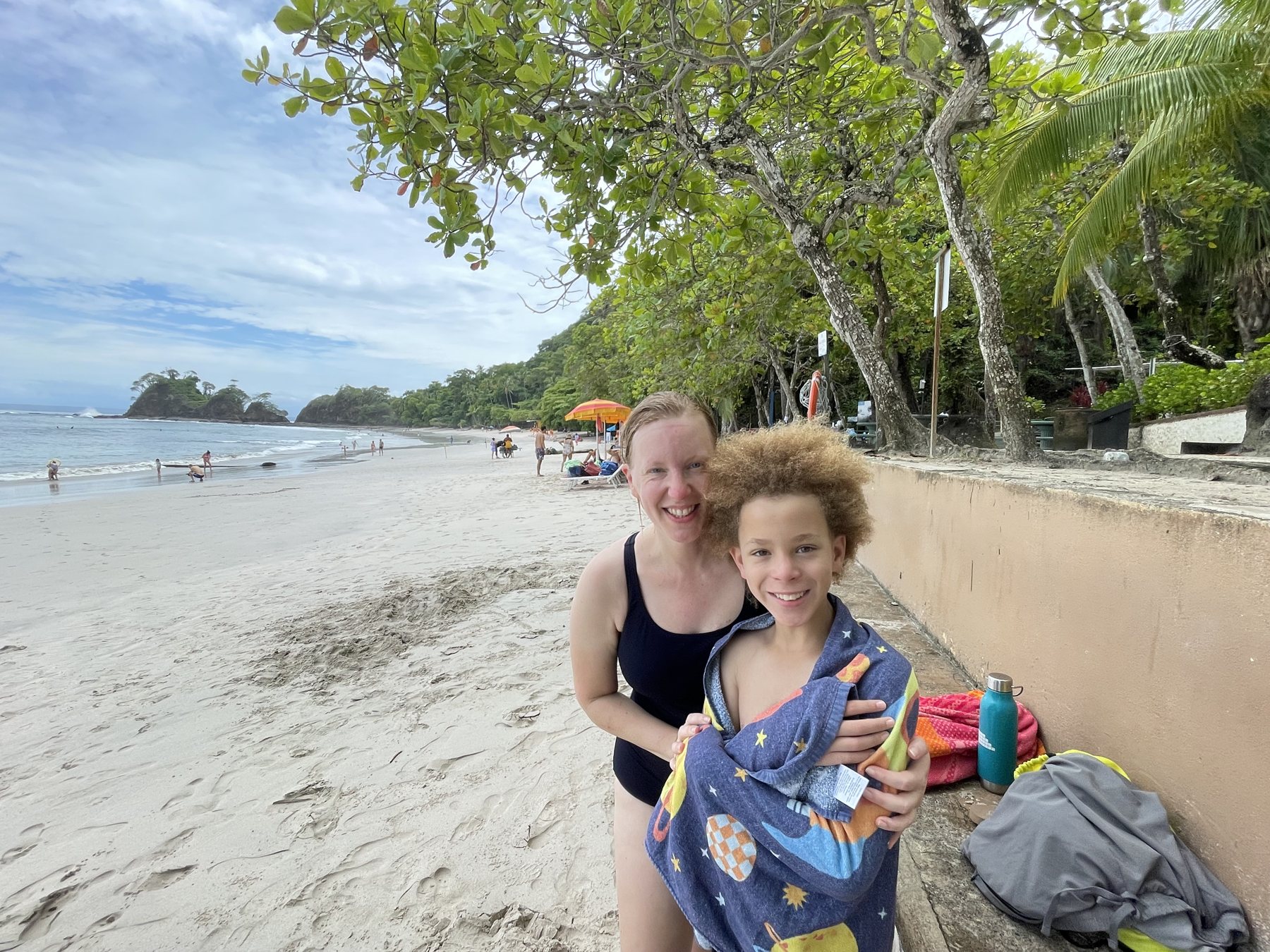
Why so many of them end up near Jacó Beach and Punta Leona
Costa Rica has a lot of beautiful places. The question is always: which one is right for you? The Guanacaste coast is popular but expensive. The southern zone is stunning but remote. San José has everything but it's a city. For a growing number of Americans, the Central Pacific coast — Jacó, Herradura, and Punta Leona — hits a sweet spot that's hard to match anywhere else in the country.
Here's what draws people to this area specifically:
- The beaches. Jacó Beach is right in town — surf, restaurants, nightlife, the full beach-town atmosphere. Punta Leona is a private, gated nature reserve 15 minutes north with two stunning beaches including Playa Blanca, one of the most beautiful white-sand stretches in the country. Most areas of Costa Rica make you choose between "town" and "nature." Here you can have both within 20 minutes.
- Airport access. Juan Santamaría International Airport is about 90 minutes from Jacó on the coast highway. That's comfortable. You can do a long weekend in the US and be back on the coast Sunday night. For people who still travel regularly, this matters enormously.
- Year-round warmth. The Central Pacific coast is warm and tropical twelve months of the year. Dry season (December–April) brings clear skies and low humidity. Rainy season (May–November) brings afternoon showers, lush green jungle, and fewer crowds. Both are good.
- Wildlife. Punta Leona is a certified private nature reserve. Scarlet macaws, howler monkeys, white-faced capuchins, sloths, iguanas, and sea turtles are not something you drive to see — they're what you see out your window. This is one of the most biodiverse corners of one of the most biodiverse countries on earth.
- A functional town. Jacó has real grocery stores, restaurants, surf schools, gyms, clinics, pharmacies, banks, and everything else you need to live comfortably. You're not sacrificing modern life — you're just relocating it somewhere better.
- Value. Compared to Guanacaste or the US coastal markets most buyers are coming from, the price-to-quality ratio near Jacó Beach is exceptional. I have lots starting at $70,000 and furnished apartments up to $280,000 — prices that are genuinely hard to find for this quality of location.
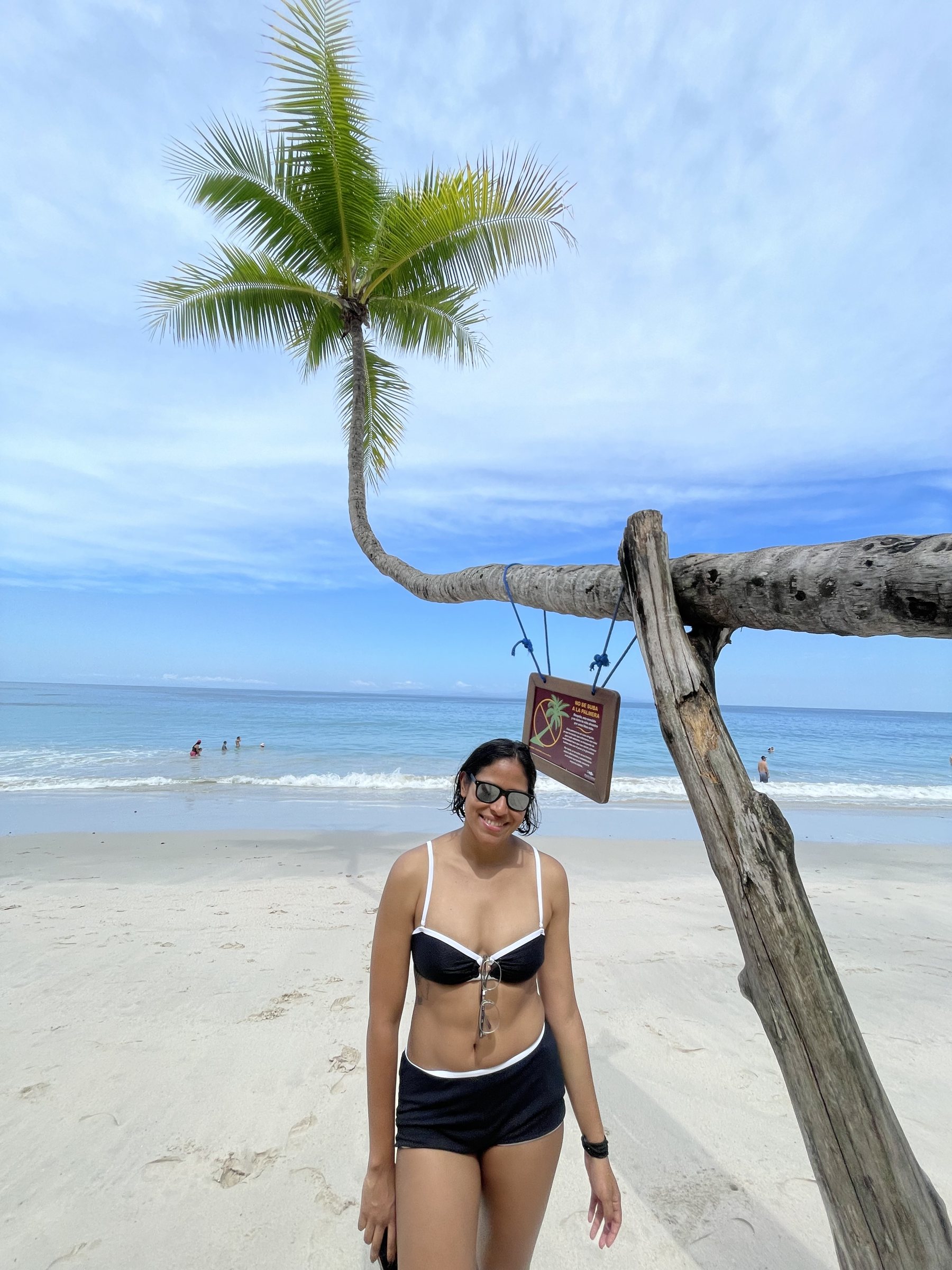
What Americans are often surprised by
I always try to be honest with people about this part, because the ones who thrive here are the ones who went in with realistic expectations. Costa Rica is genuinely wonderful — but it's different from the US in ways that take some adjustment.
Things move slower. The post office is an adventure. Contractors work on their own timeline. Government paperwork takes longer than you think. Some things you take for granted back home — next-day delivery, consistent customer service, straightforward permit processes — work differently here or not at all in the same way. None of that is a reason not to come. It's just a reason to arrive with patience and flexibility built in.
The flip side is that the things people find most valuable about life here — the quality of personal relationships, the unhurried mornings, the natural beauty right outside the door, the sense of slowing down — are also real. Most of the Americans I know who moved here say the same thing: they stopped rushing, started noticing, and they're happier. That's not a cliché. I've watched it happen over and over.
What things actually cost near Jacó Beach
Whether Costa Rica is cheaper than the US depends almost entirely on how you choose to live. Here's an honest breakdown:
Usually less expensive
- Healthcare (private clinics, dentistry)
- Fresh local produce and fish
- Domestic help and services
- Dining at local restaurants
- Property taxes
Often more expensive
- Imported goods and electronics
- Vehicles (high import tariffs)
- Shipping anything internationally
- US-brand products at grocery stores
- Fast internet in some rural areas
The people who find Costa Rica significantly cheaper than the US are usually the ones who embrace local food, local products, and the local pace of life. The ones who try to replicate their American lifestyle exactly — same brands, same conveniences, same expectations — often find it more expensive and more frustrating. The key is leaning in.
Can Americans actually own property near Jacó Beach?
Yes — and it's one of the most important things to understand before you come. Foreigners in Costa Rica generally have the same property ownership rights as citizens. Your name goes in the national property registry. You own it outright. No Costa Rican partner required, no residency required. The process is different from buying property in the US — you'll need a Costa Rican real estate attorney to represent you, and the closing process takes longer — but the ownership rights themselves are solid and well-established in Costa Rican law. I wrote a full guide to the purchase process if you want the step-by-step: it's in the blog. The properties I'm currently selling near Punta Leona and Playa Blanca are all fully titled, no concession complications.
Is moving to Jacó Beach right for everyone?
Honestly — no, and I'd rather tell you that than have you find out after you've committed. Some people arrive and click immediately. They love the pace, love the nature, love the community, and wonder why they waited so long. Others struggle with the cultural adjustment, the distance from family, or the things that are genuinely harder or slower here than back home.
The people who thrive near Jacó Beach tend to share a few things: they're adaptable, they're genuinely curious about the culture rather than frustrated by its differences, they're patient, and they're open to building a new social circle rather than expecting to find the one they left. They also tend to spend some real time here first — not just a vacation, but weeks or months of living ordinary days — before they decide to buy.
If that sounds like you, come and see it. Stay for a while. Eat the food, drive the road, walk the beach at six in the morning when the macaws fly overhead. And if you're serious about finding your piece of this coast, message me on WhatsApp — I know these properties and this area better than anyone, and everything I have available is at www.jacobeachchef.com.