If you spend any time around a Costa Rican market or fruit stand, sooner or later you'll spot a big, heavy, spiky green fruit that looks a little prehistoric. That's a guanabana — known in English as soursop — and it's one of the tropics' best-kept secrets. Behind that bumpy green skin is soft, snow-white pulp with a flavor people describe as a cross between pineapple, banana, and strawberry, with a gentle citrus tang. As your Jaco Beach Chef, I love working local fruit like this into a meal, so here's the full rundown at www.jacobeachchef.com.
So, what exactly is a guanabana?
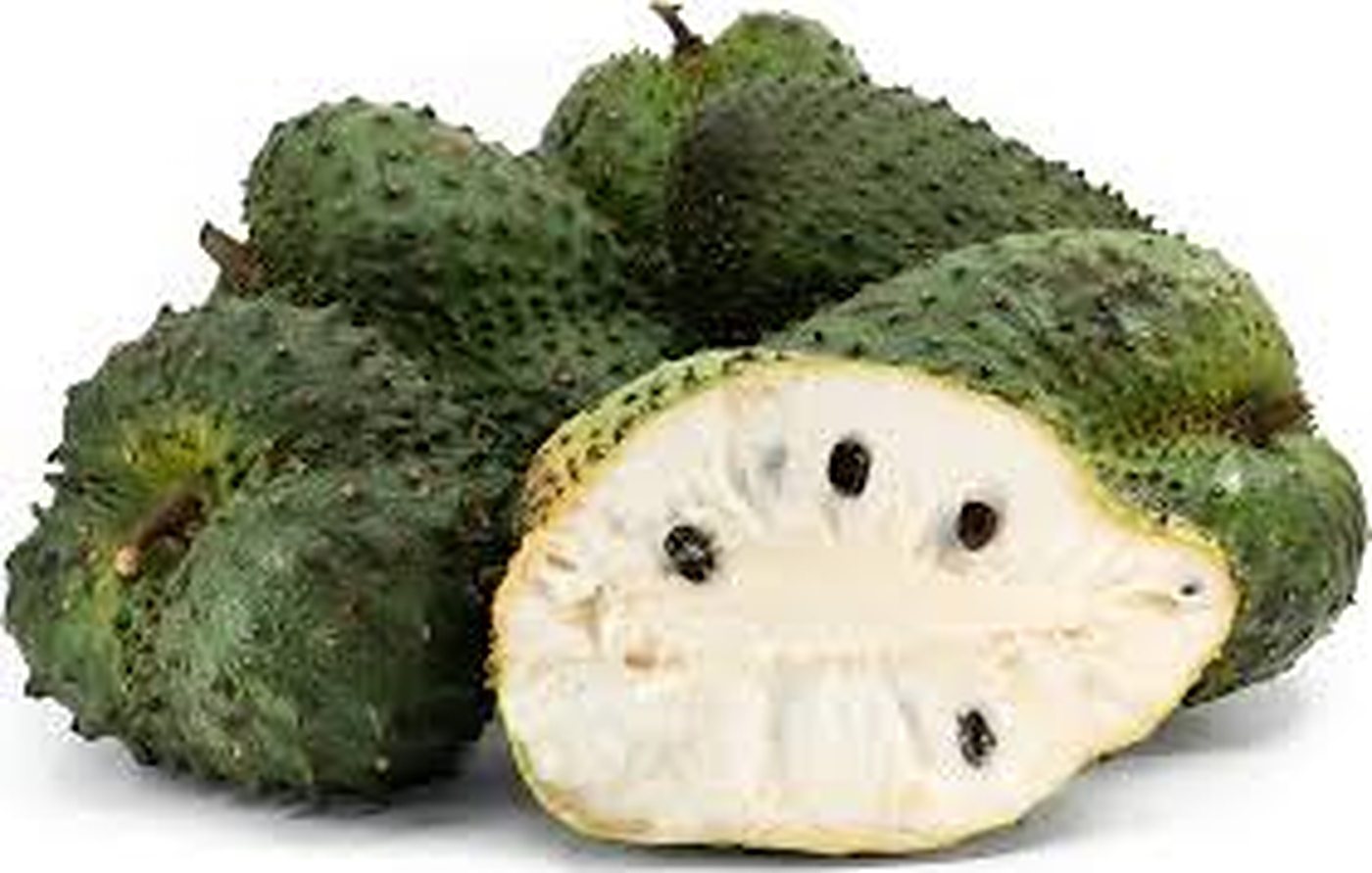
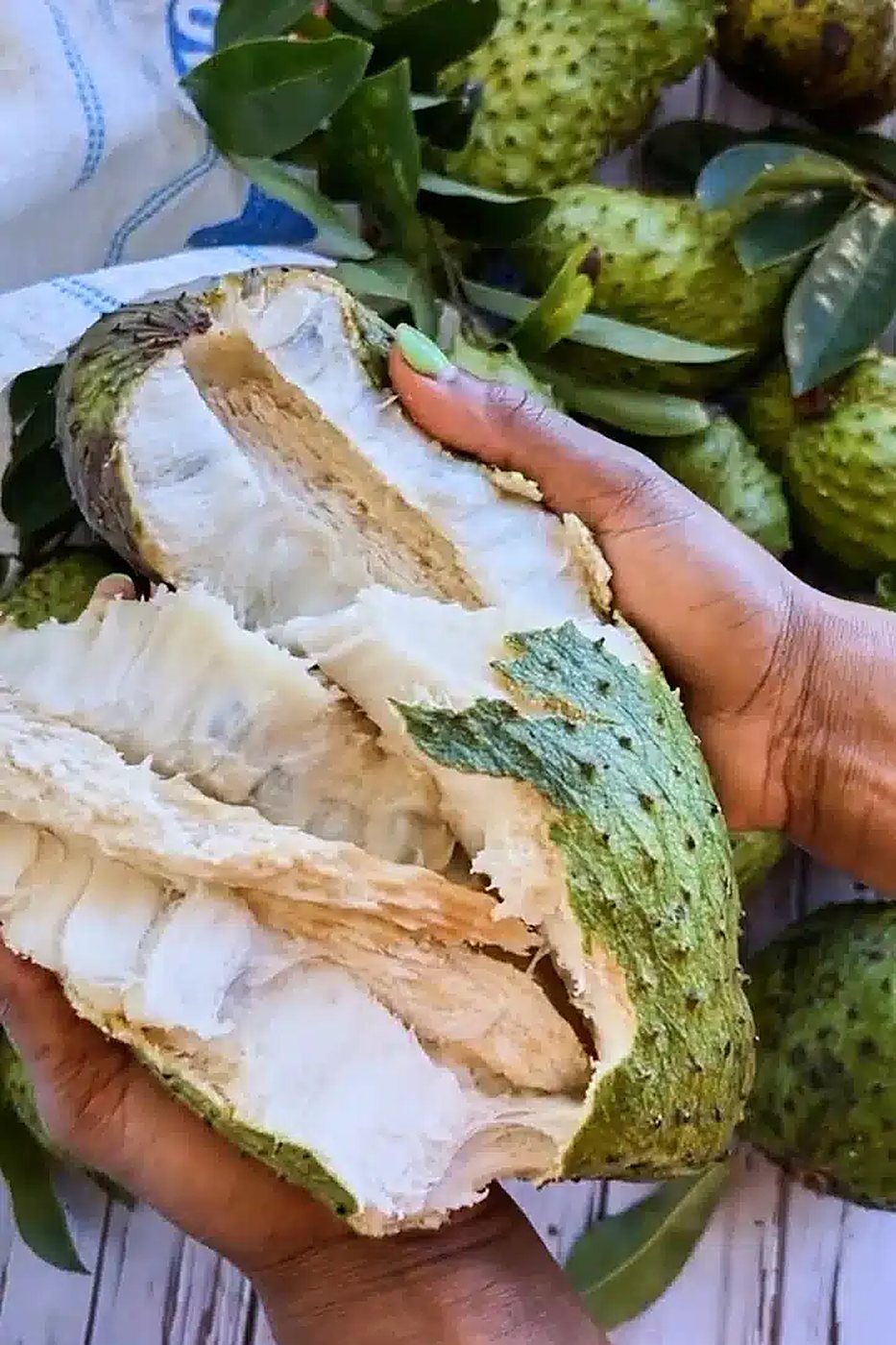
A guanabana (Annona muricata) is a large tropical fruit that grows across Costa Rica and much of the Caribbean. They're big — often two to five pounds — with dark-green skin covered in soft little spines. Inside, the ripe flesh is creamy, custard-like, and fragrant, dotted with a few glossy black seeds you simply spoon around. The taste is tangy-sweet: sweet enough to enjoy on its own, tart enough to feel refreshing on a hot Jacó afternoon.
How Costa Ricans eat it
Ticos rarely eat guanabana straight from the peel. Most often it's blended into a batido (fruit shake) with a little water or milk and ice — creamy, frothy, and impossibly refreshing. You'll also find it in:
- Fresh juices (jugos naturales) — the classic way to cool down at a soda or restaurant.
- Ice cream and sorbet — its creamy pulp is made for frozen desserts.
- Cakes, mousses, and flans — that tangy sweetness shines in dessert.

Health benefits of guanabana
Beyond its flavor, guanabana is prized across Costa Rica as a genuinely nourishing fruit. Here are the benefits ticos most often point to:
- Rich in nutrients — contains vitamin C, B1 and B2, magnesium, potassium and fiber, which support the immune and digestive systems.
- Antioxidant properties — its natural compounds help fight free radicals, which may help protect against premature aging and chronic disease.
- Anti-cancer potential (under study) — early laboratory research suggests guanabana extracts may help combat cancer cells.
- Strengthens the immune system — its high vitamin C content encourages the body to produce white blood cells.
- Anti-inflammatory & pain-relieving — traditionally used to ease aches and inflammation, such as those linked to arthritis.
- Helps manage blood pressure — its potassium content helps relax the blood vessels.
- Improves digestion — the fiber promotes healthy digestion and helps prevent constipation.
- Calming & relaxing — in traditional medicine the leaves have been used as a natural sedative to ease anxiety.
A quick note: these are traditional uses and early research, shared for interest — not medical advice. Enjoy guanabana as the delicious, nourishing fruit it is, and check with your doctor for anything health-related.
Where to try one in Jacó
In Jacó, look for guanabana at the local feria (farmers market), the produce section of the supermarket, or on the menu at a soda as a fresh jugo de guanabana. Picking a ripe one is easy: it should give slightly to a gentle squeeze, like a ripe avocado. If it's rock-hard, give it a day or two on the counter. It's a fun, authentic taste of Costa Rica to seek out between a morning of tours and adventures and an evening back at your villa.
Fresh tropical flavor, handled by your chef
Want to enjoy guanabana without hunting down a ripe one or cleaning up the kitchen? When I cook for your group as your private chef in Jaco, I can bring fresh tropical fruit to the table — think guanabana batidos, tropical desserts and breakfasts, and juices squeezed that morning — so every part of your trip tastes like Costa Rica.
Planning a bachelor party, wedding, or family getaway to Jacó? Message me on WhatsApp or visit www.jacobeachchef.com and I'll handle the food while you soak up everything the Pura Vida coast has to offer — guanabana batidos included.