If you've spent any time in Costa Rica, chances are someone has put a bowl of chifrijo in front of you and told you it's the best thing you'll eat all trip. They're not wrong. This humble, layered bowl of rice, red beans, crispy chicharrón, pico de gallo, and avocado is the undisputed king of Costa Rican bar food — and it tells you more about tico culture than almost anything else on the menu. As your private chef in Jacó at Jaco Beach Chef, I've served versions of chifrijo to guests from all over the world, and the reaction is always the same: eyes wide, spoon going back for more. Here's the full story of this legendary dish, brought to you from www.jacobeachchef.com.
Where does the name "chifrijo" come from?
The name is pure Costa Rican creativity — a mashup of the two starring ingredients: CHI from chicharrón (crispy fried pork) and FRIJO from frijoles (red beans). That's chifrijo. Simple, direct, and perfectly descriptive of what lands in your bowl.
The dish was invented in the early 1990s at a bar called Cordero's, in the Tibás neighborhood of San José. The owner, Miguel Cordero Álvarez, started layering leftover rice and beans with chicharrón and a fresh pico de gallo — what ticos call chimichurri — to feed customers looking for a snack to go with their beer. Word spread fast. Within a few years, chifrijo had jumped from one neighborhood bar to every soda and pulpería in the country. Today you'll find it everywhere from roadside stands to upscale restaurants — and it's been cited as a national culinary symbol of Costa Rica.
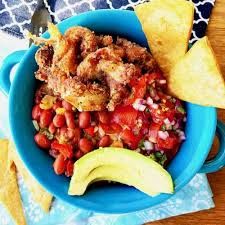
What's in a chifrijo?
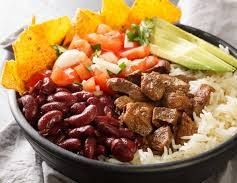
A proper chifrijo is built in layers, always in this order from the bottom up:
- White rice — the base, usually plain steamed rice
- Frijoles rojos (red beans) — cooked low and slow with sofrito (onion, garlic, bell pepper, cilantro, and salsa lizano, Costa Rica's beloved Worcestershire-style sauce)
- Chicharrón — fried pork belly or fried pork rinds, still hot and crackling-crispy when they hit the bowl
- Pico de gallo — diced tomato, onion, cilantro, lime juice, and a touch of chili (ticos call this chimichurri; fresher and lighter than Argentinian chimichurri)
- Avocado — sliced or mashed on top, a cooling, creamy counterpoint to the crispy pork
- Tostadas or tortilla chips — served on the side for scooping
The magic is in the contrast: soft rice, tender beans, crunchy pork, bright fresh salsa, creamy avocado. Every bite hits a different note. Some cooks finish the bowl with a splash of salsa lizano right before serving — that's the authentic touch that takes it to another level.
Is chifrijo the same as gallo pinto?
Gallo pinto — Costa Rica's national breakfast of mixed rice and black beans — is the cousin, not the twin. The differences are significant: gallo pinto uses black beans, the rice and beans are cooked together into a unified dish, and it's a morning staple. Chifrijo uses red beans, keeps the components in separate layers, adds the crispy chicharrón and fresh pico de gallo, and is served as a snack or appetizer — usually alongside a cold Imperial beer. Same pantry, very different dish.
Why is chifrijo so famous in Costa Rica?
Chifrijo earned its place in the national food culture for a handful of reasons that go well beyond just tasting great:
- It's affordable. Built from everyday pantry staples — rice, beans, and whatever pork you have on hand — it costs almost nothing to make.
- It feeds a group. Set a big bowl in the middle of the table with a stack of tostadas and you've got a communal snack that keeps a party going for hours.
- It works any time of day. Late-night? Post-beach hunger? Afternoon beer snack? Chifrijo fits every window.
- It showcases local ingredients. Every component — the beans, the salsa lizano, the fresh pico, the creamy avocado — is a piece of Costa Rican identity on one plate.
In 2012, there was even a legal dispute in Costa Rica over who had the right to claim the chifrijo name as a trademark. The original bar's family fought to protect the name — which tells you just how seriously ticos take this dish.
Chifrijo in Jacó — where to find it
Jacó has dozens of bars, sodas, and restaurants that serve chifrijo, and you'll spot it on practically every menu that leans local. The best versions use freshly fried chicharrón — not the packaged kind — and a pico de gallo made to order with limes squeezed right before serving. Sit down at any open-air bar on the main strip after a day at the beach, order a chifrijo and a cold Imperial, and you'll understand immediately why visitors keep coming back to Costa Rica.
Want chifrijo at your villa?
When I cook as your private chef in Jacó, chifrijo is absolutely on the menu — served the right way, with fresh-fried chicharrón, house-made pico de gallo, and perfectly ripe avocado. It's a crowd-pleaser for bachelor parties, family groups, and anyone who wants an authentic tico food experience without leaving the comfort of their rental. Check out the full menu options or book your chef experience directly on WhatsApp.
Visit www.jacobeachchef.com to see everything we offer — from villa dinners to full-day chef service for your group in Jacó, Costa Rica.