Few fruits stop you in your tracks like dragon fruit. Vivid magenta-pink skin, flame-like green tips, and — when you slice it open — a speckled interior that looks almost too beautiful to eat. In Costa Rica it goes by the name pitahaya (also spelled pitaya), and it's one of the most striking things you'll see at a local feria. As your Jaco Beach Chef, I love introducing visitors to these tropical showstoppers, so here's the full story on Costa Rican dragon fruit — what it is, how it tastes, and why it's so good for you, from www.jacobeachchef.com.
So, what exactly is pitahaya?
Dragon fruit is the fruit of a climbing cactus (from the Hylocereus family) that thrives in Costa Rica's warm, sunny lowlands. The plant is famous for its enormous white flowers that open for just one night — earning it the poetic nickname "reina de la noche," the Queen of the Night. After the bloom fades, the pink fruit forms. Cut one open and you'll find soft, juicy flesh flecked with tiny edible black seeds, with a texture a lot like kiwi and a mild, gently sweet flavor.
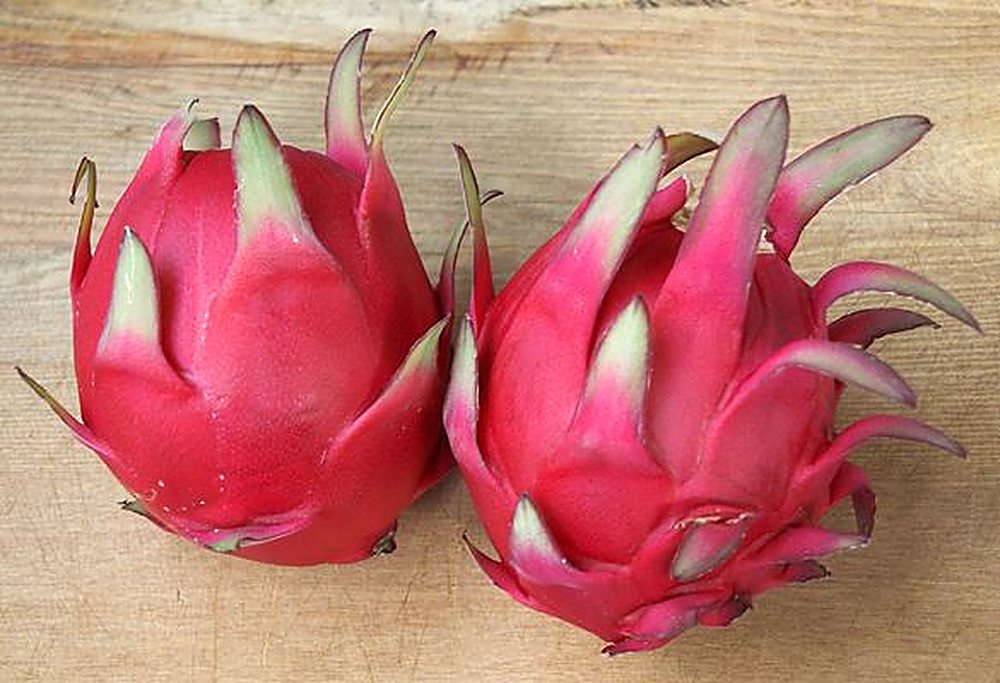
White flesh vs. red flesh
Costa Rica grows dragon fruit in two main types, and it's fun to taste them side by side:
- White-flesh pitahaya — pink skin with snowy-white flesh and black seeds. It's the milder, lightly sweet version most people picture first.
- Red/magenta-flesh pitahaya — the deep, jewel-toned variety Costa Rica is especially known for. It's a touch sweeter and packed with the natural pigments (betalains) that stain everything a gorgeous fuchsia.
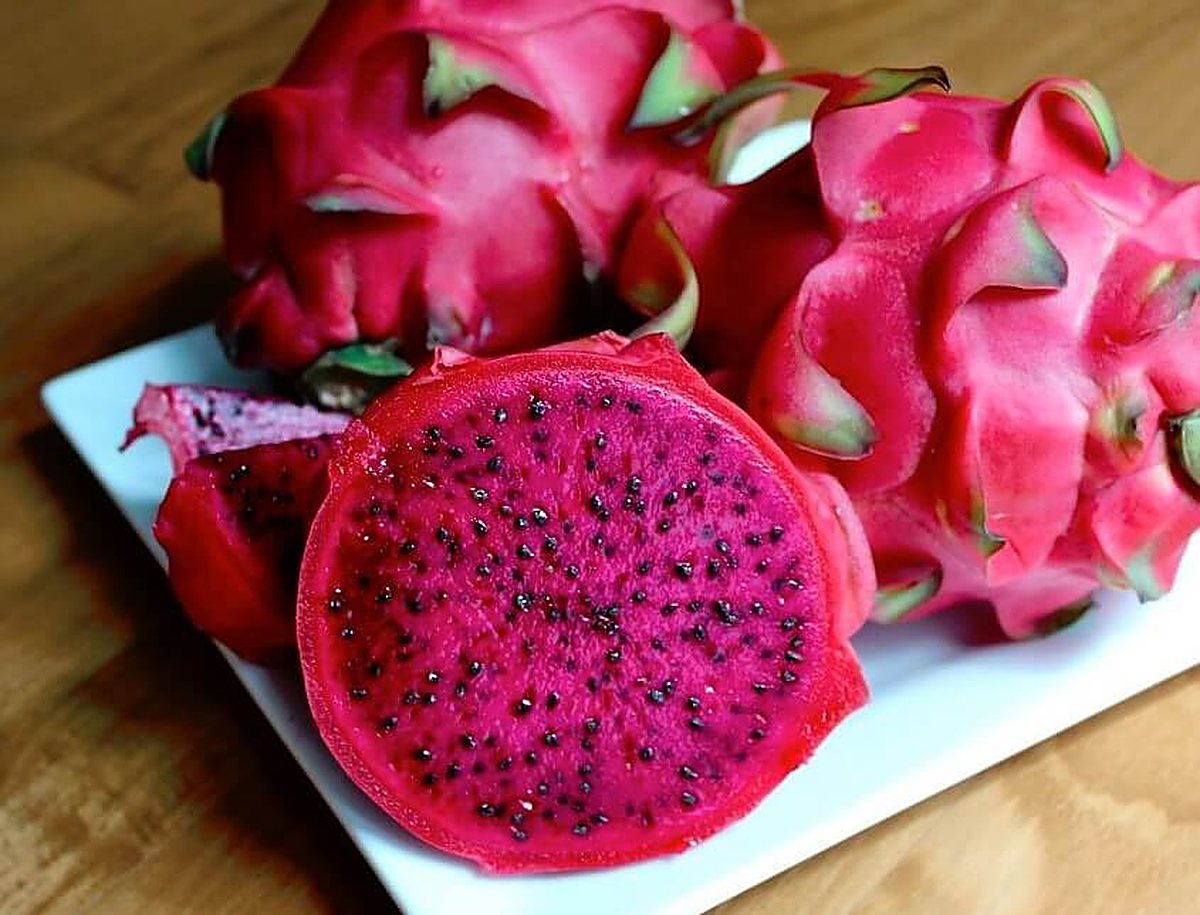
Health benefits of dragon fruit
Beautiful and good for you — pitahaya is a genuine little superfruit. Here's what makes it so healthy:
- Rich in antioxidants — betalains, vitamin C, and other plant compounds help the body fight free radicals.
- High in fiber — supports healthy digestion and keeps you feeling full.
- Good for your gut — the seeds and flesh act as natural prebiotics that feed friendly gut bacteria.
- Immune support — its vitamin C helps keep your immune system strong.
- Iron & magnesium — minerals that support energy and healthy blood.
- Low in calories — roughly 60 calories per 100 grams, mostly water, with no fat.
- Heart-friendly — the fiber and antioxidants are linked to healthy cholesterol and blood sugar.
A quick note: these are general nutrition facts and popular traditional uses, shared for interest — not medical advice. Enjoy pitahaya as the delicious, refreshing fruit it is.
How Costa Ricans enjoy it
Pitahaya is at its best simply chilled and scooped straight from the skin with a spoon. Ticos also love it blended into a fresco or batido (fresh fruit drink), squeezed with a little lime, spooned over smoothie bowls and yogurt, or frozen into refreshing paletas. The red-flesh type makes a naturally hot-pink juice that looks incredible on a breakfast table.
Where to find dragon fruit in Jacó
Look for pitahaya at Jacó's weekly feria (farmers market) and in the produce aisle at local supermarkets, especially in the warmer, drier months. Pick one that's brightly colored and gives just slightly to a gentle squeeze — that means it's ripe and ready. It's a perfect refresher between a morning of tours and adventures and a relaxed afternoon at the beach.
Fresh tropical flavor, handled by your chef
When I cook for your group as your private chef in Jaco, I love working Costa Rica's beautiful fruits into the menu — dragon fruit, mango, pineapple, papaya, and guanabana blended into fresh batidos, smoothie bowls, and tropical breakfasts and desserts that look as good as they taste.
Planning a bachelor party, wedding, or family getaway to Jacó? Message me on WhatsApp or visit www.jacobeachchef.com and I'll handle the food while you soak up everything the Pura Vida coast has to offer.