Every year, when the roadside stands around Jacó start filling with little red, hairy orbs, ticos know the best fruit season has arrived. That's mamón chino — Costa Rica's name for the rambutan (Nephelium lappaceum). The name literally means "Chinese mamón," a nod to its Southeast Asian origins, and it's one of the country's most-loved seasonal treats. As your Jaco Beach Chef, I love introducing visitors to the fruits ticos get genuinely excited about, so here's everything you need to know about mamón chino, from www.jacobeachchef.com.
So, what exactly is mamón chino?
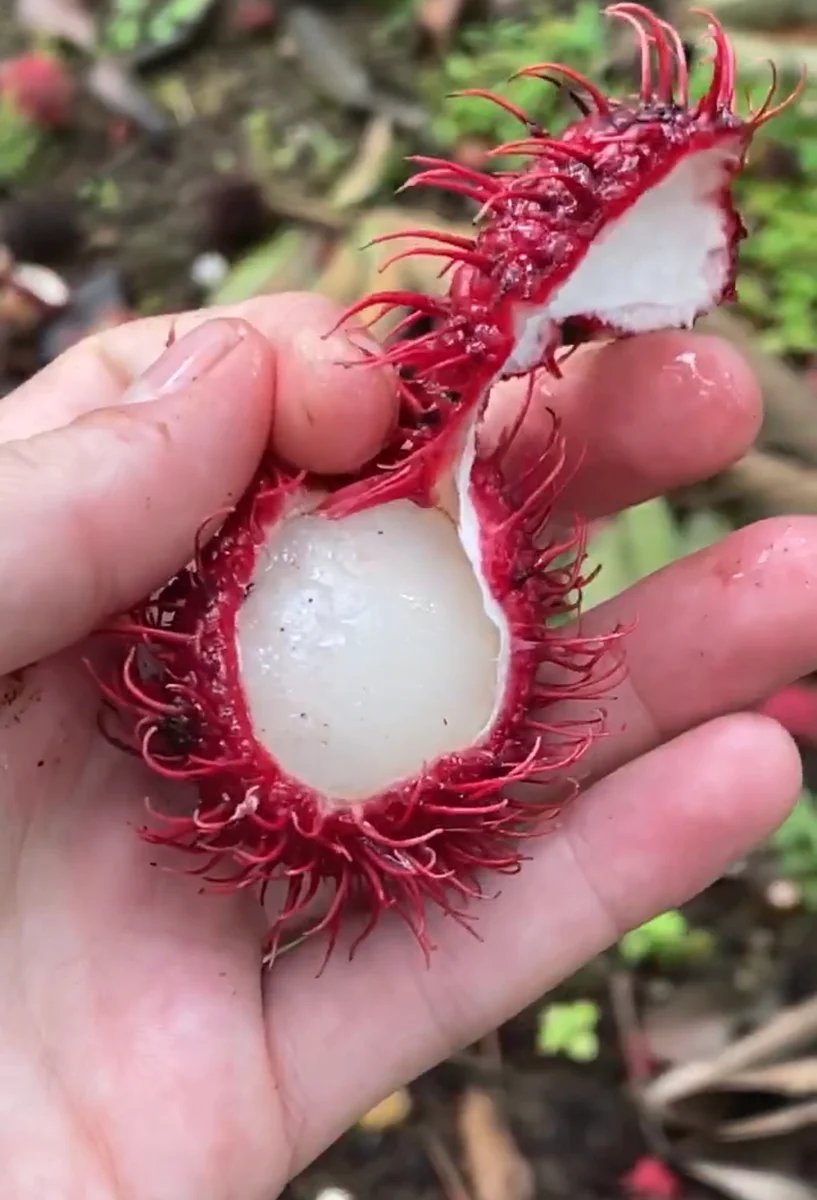
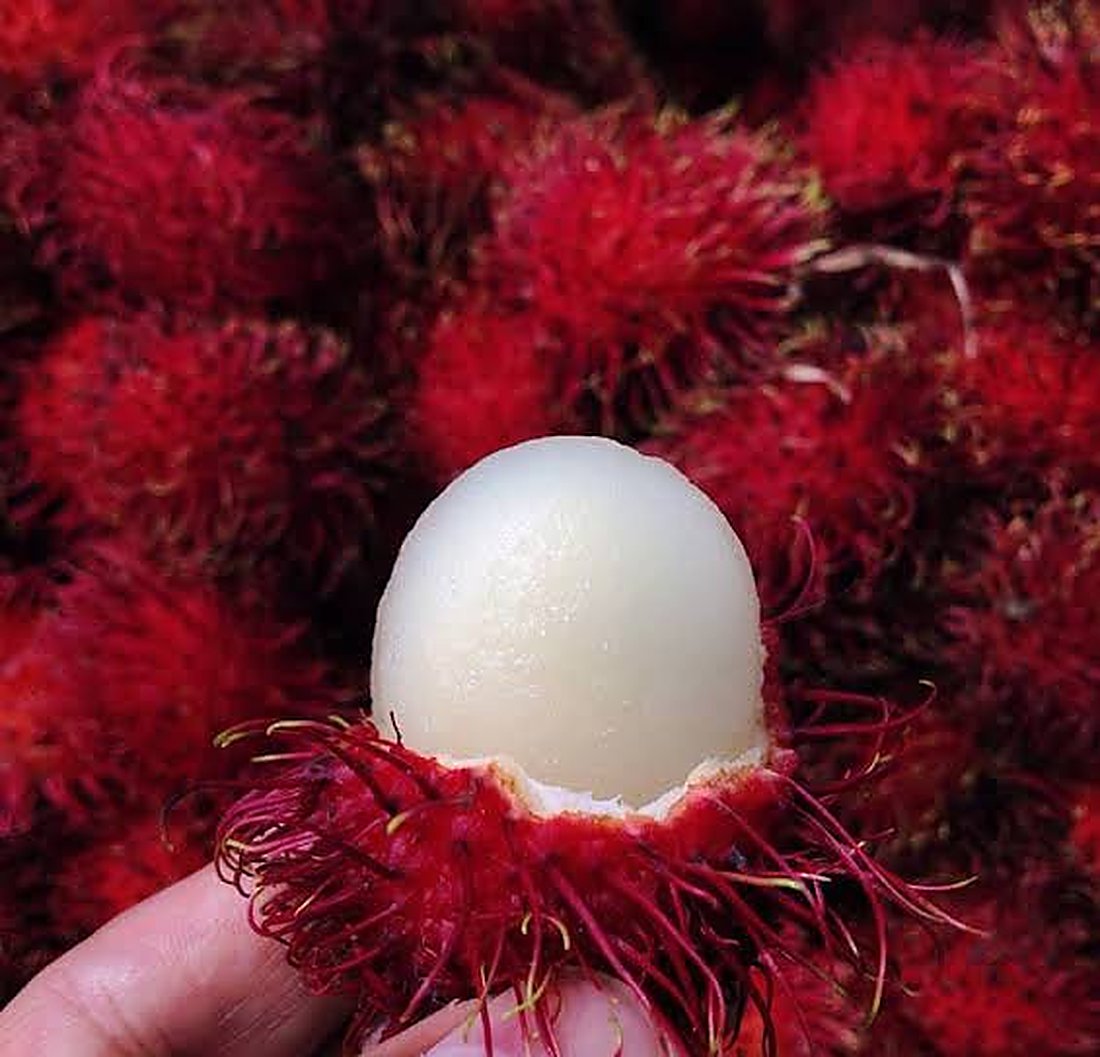
Mamón chino is a small round fruit, roughly the size of a golf ball, covered in soft, bendy red-and-yellow "hairs" (they're called spinterns, but everyone just says pelos — hair). Don't let the wild-looking outside fool you: peel back that leathery, hairy shell and you'll find a translucent, pearly-white fruit inside that's juicy, sweet, and slightly floral — a lot like a grape crossed with a lychee. There's a single seed in the center. Ticos eat them by the bagful, popping the sweet flesh straight into their mouths.
When is mamón chino season in Costa Rica?
Mamón chino is a true seasonal fruit. It usually shows up from around August through October, peaking in the rainy season, when you'll see it sold in bunches at every feria (farmers market), roadside puesto, and supermarket. Much of Costa Rica's crop comes from the humid Southern Zone and the Caribbean lowlands. If you're visiting Jacó during these months, grab a bag — it's a quintessential taste of the season.
Health benefits of mamón chino
Beyond being a fun, sweet snack, rambutan brings some real nutrition to the table:
- Rich in vitamin C — a good dose supports your immune system and healthy skin.
- Antioxidants — the flesh contains plant compounds that help the body fight free radicals.
- Good source of fiber — supports healthy digestion and keeps you feeling satisfied.
- Minerals — provides copper, manganese, and small amounts of iron and potassium.
- Hydrating & low in calories — mostly water, making it a light, refreshing tropical snack.
A quick note: these are general nutrition facts, shared for interest — not medical advice. And a tip — eat only the flesh; the seed is best not eaten raw.
How to eat mamón chino
It's easy once you get the hang of it. Use a thumbnail or a small knife to score around the middle of the shell, then twist the two halves apart and pop out the juicy flesh — but don't bite down on the seed in the center. Ticos enjoy them fresh and chilled; they're also lovely tossed into a fruit salad or used as a fun garnish on a tropical dessert.
Where to find it in Jacó
In season, mamón chino is everywhere around Jacó — at the weekly feria, roadside fruit stands, and the produce aisle at the supermarket. Look for firm, brightly colored fruit with fresh-looking hairs (a little browning on the tips is fine). It's the perfect snack to enjoy between a morning of tours and adventures and a lazy afternoon on the sand.
Fresh tropical flavor, handled by your chef
When I cook for your group as your private chef in Jaco, I love weaving Costa Rica's seasonal fruits into the experience — mamón chino, mango, pineapple, papaya, and guanabana turned into fresh batidos, vibrant fruit platters, and tropical breakfasts and desserts that feel like the real Costa Rica.
Planning a bachelor party, wedding, or family getaway to Jacó? Message me on WhatsApp or visit www.jacobeachchef.com and I'll handle the food while you soak up everything the Pura Vida coast has to offer.