Walk past a fruit stand or a coastal backyard in Costa Rica and you might spot a strange, knobby, pale-green fruit that looks a bit like a lumpy potato crossed with a pinecone. That's noni (pronounced NO-nee, and sometimes spelled "naoni"), scientifically Morinda citrifolia — also known as Indian mulberry, beach mulberry, or simply the "cheese fruit." It's one of the tropics' most famous folk-medicine fruits. It's not the prettiest or the sweetest thing on the table, but ticos have valued it for generations as a natural tonic. As your Jaco Beach Chef, I love sharing the local fruits visitors rarely hear about, so here's the full story at www.jacobeachchef.com.
So, what exactly is noni?
Noni is the fruit of a small evergreen tree that grows happily along Costa Rica's warm coasts and lowlands — including the area around Jacó. The fruit is oval, about the size of a potato, with waxy, bumpy skin divided into little segments, each marked with a tiny "eye." It starts green, turns pale yellow-white as it ripens, and gives off a strong, pungent smell when fully ripe — which is exactly why it earned the nickname "cheese fruit." The flavor is sharp and bitter, so almost nobody eats it straight; instead, it's turned into juice, tonics, and blends.
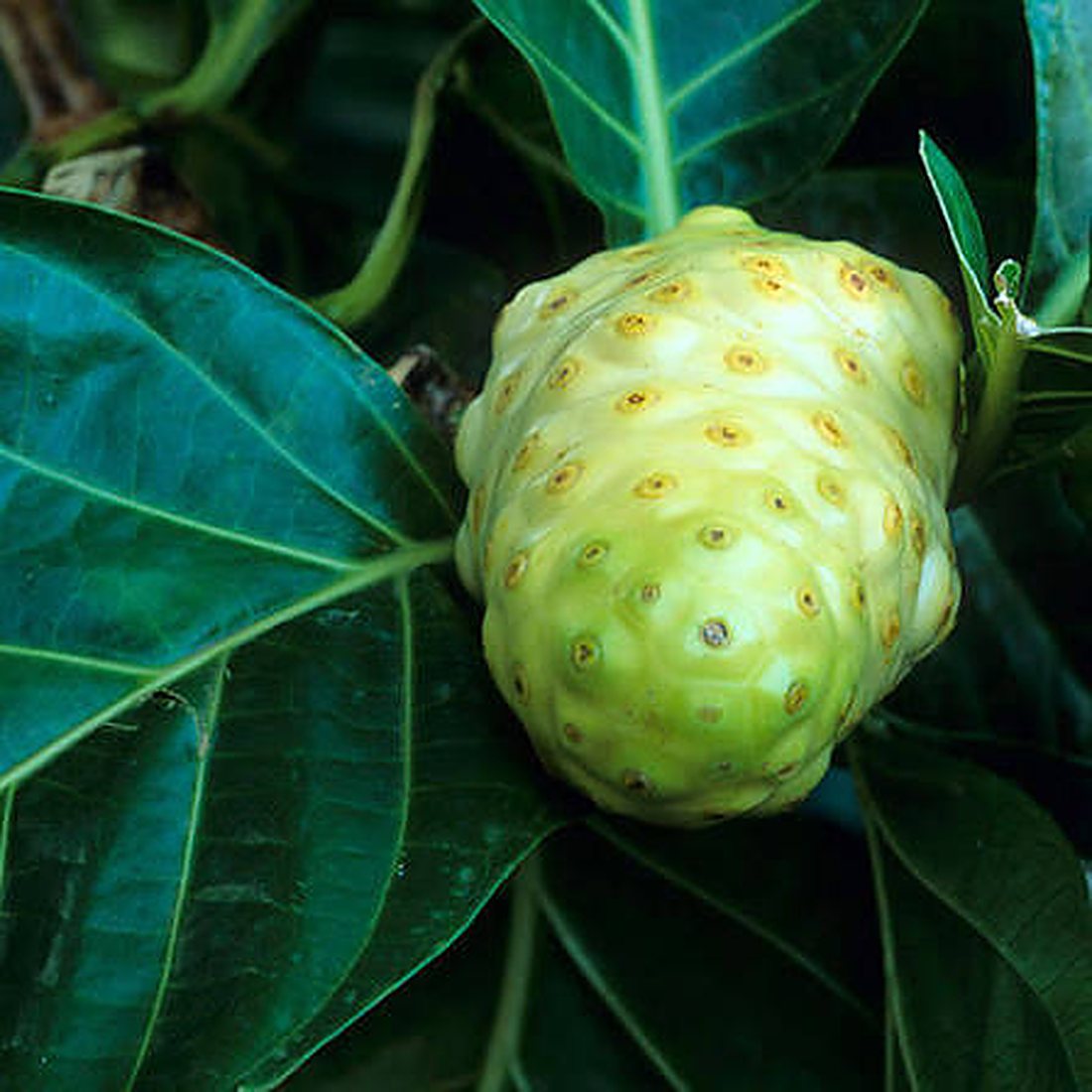
How Costa Ricans use noni
You won't usually find noni in a fruit salad. Instead, ticos and health-minded visitors use it as a wellness drink. The most common forms are:
- Noni juice — the ripe fruit is pressed or left to ferment, then the juice is taken in small amounts, often mixed with sweeter fruit juice to soften the bitter taste.
- Blended tonics — a splash of noni added to a tropical juice or smoothie for a daily health boost.
- Traditional remedies — the fruit, leaves, and even the bark have long histories in folk medicine across the tropics.
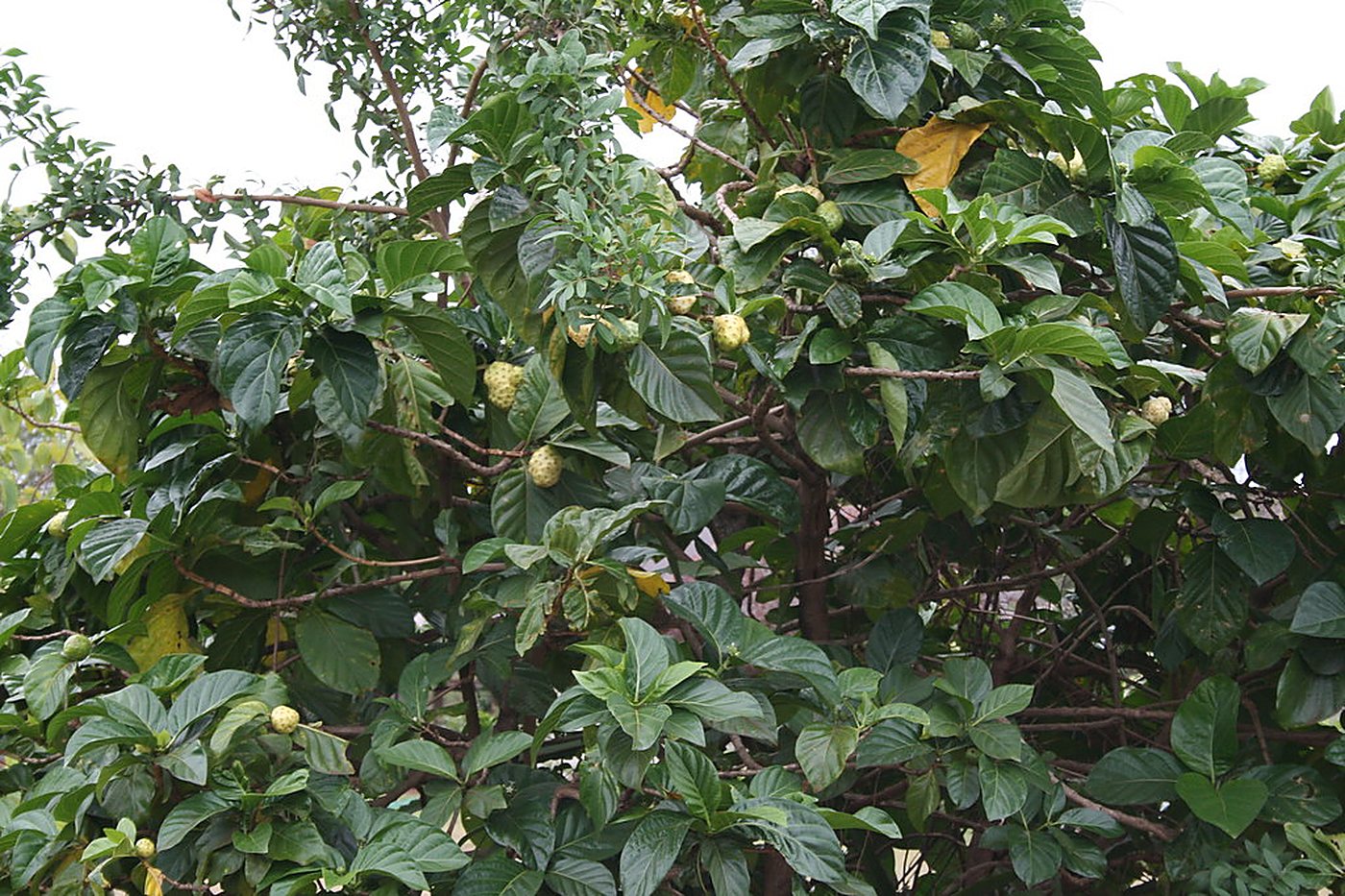
What's inside noni (nutrition)
For such a humble-looking fruit, noni is surprisingly light and nutrient-dense. A 100-gram serving (about 3.4 oz) has roughly:
- Just 27 calories, and about 94% water — very low in fat and sugar.
- Vitamin C — around 53 mg (about 59% of your daily value), plus vitamin A and B-complex vitamins.
- Minerals — potassium, magnesium, iron, and small amounts of calcium and phosphorus.
- Plant antioxidants — iridoids, flavonoids, and scopoletin, the compounds noni is prized for.
Nutrition figures are averages (source: University of Hawaii at Manoa / HerbaZest).
Health benefits of noni
Noni has been used as a natural remedy for hundreds of years — in Ayurvedic tradition it's even considered a rejuvenating (Rasayana) herb — and it's still popular today as a "superfruit." Here are the benefits people most often associate with it:
- Rich in antioxidants — its vitamin C and plant compounds help the body fight free radicals.
- Immune support — traditionally taken as a daily tonic to help keep the immune system strong.
- Anti-inflammatory reputation — long used in folk medicine to help ease aches and inflammation.
- Natural energy & stamina — many people drink small amounts of noni juice for a gentle daily lift.
- Digestive & heart health — traditionally used to support healthy digestion and circulation.
- Skin & overall wellness — also used to support healthy skin and general vitality.
You'll find noni sold in several forms: noni juice (the most common), capsules, dried fruit, and even soaps and lotions for the skin.
A quick note: these are traditional uses and popular claims, shared for interest — not medical advice. Pregnant or breastfeeding women, and anyone with a health condition, should check with a doctor before using noni products. Otherwise, enjoy noni as the fascinating natural tonic it is.
Where to find noni in Jacó
Around Jacó, keep an eye out for noni at the local feria (farmers market) and at health-food or natural-product shops, usually sold as bottled juice rather than fresh fruit. You may even spot the trees growing wild near the coast. It's a genuinely local, only-in-the-tropics curiosity to seek out between a morning of tours and adventures and a relaxed evening back at your villa.
Fresh tropical flavor, handled by your chef
Prefer your tropical fruit on the sweeter side? When I cook for your group as your private chef in Jaco, I focus on the crowd-pleasers — guanabana, mango, pineapple, and papaya blended into fresh batidos and tropical desserts and breakfasts — while sharing the stories behind Costa Rica's more adventurous fruits like noni.
Planning a bachelor party, wedding, or family getaway to Jacó? Message me on WhatsApp or visit www.jacobeachchef.com and I'll handle the food while you soak up everything the Pura Vida coast has to offer.